
Home / Kitchen Renovation Guides / Behind the Cabinets
Guide · What may be found behind kitchen cabinets
Cabinets cover a lot of wall and floor. Ivan Bodnar is an independent home renovation specialist with approximately 15 years’ hands-on residential renovation experience. During a free on-site assessment of your Bentleigh kitchen, he checks what he can see and reach. This guide explains what can sit behind the joinery, and how a find during strip-out relates to your written quotation.
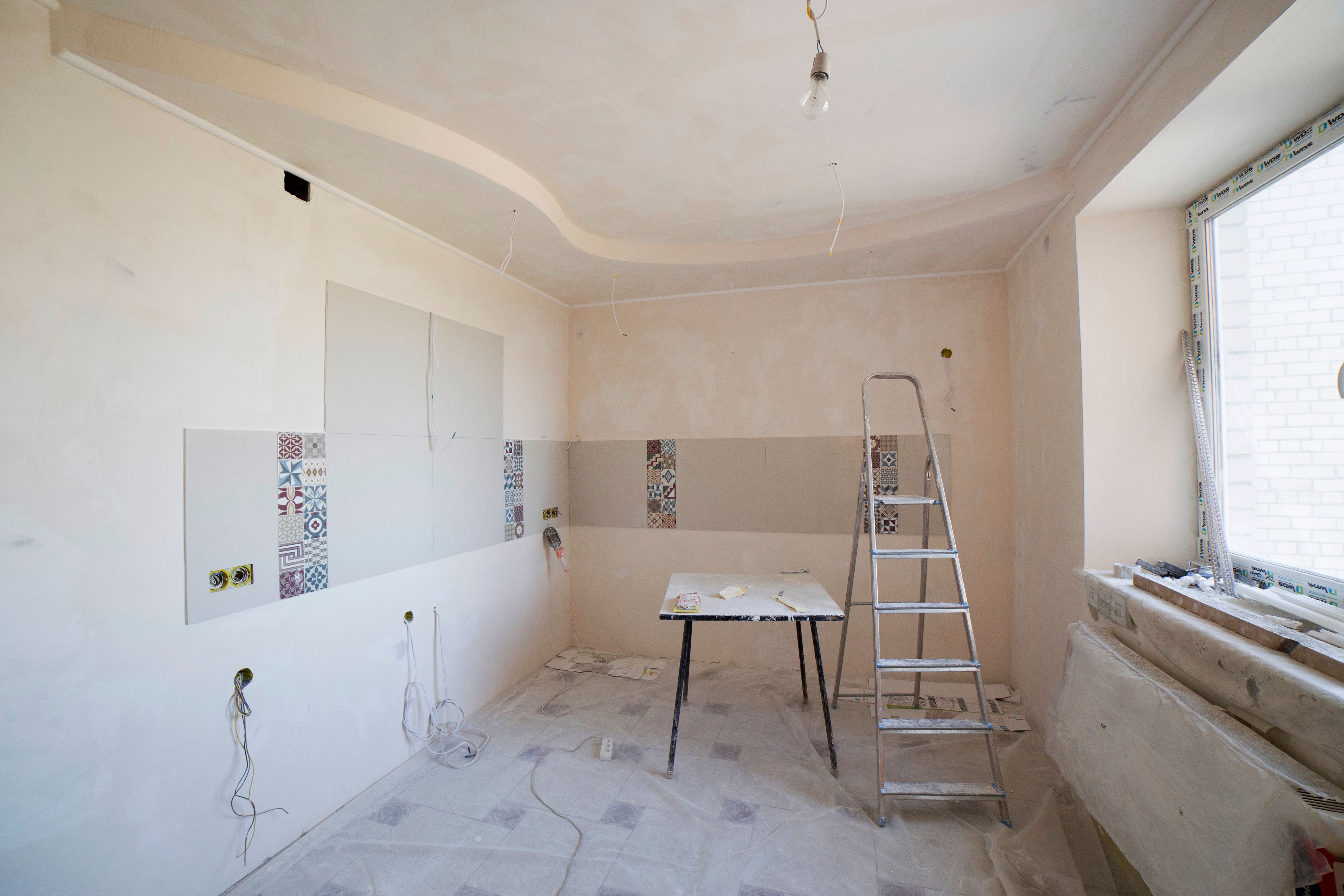
Reference image: a kitchen mid-renovation with exposed wiring and unfinished plaster. Illustrative stock photograph.
Repair
None of these is unusual in an existing kitchen. What matters is finding them before new finishes go on top.
01
Walls behind upper and lower cabinets are often unpainted, patched or marked by old fixings. When cabinets are removed, plaster may need repair or replacement before a new splashback, paint or joinery goes in.
02
The sink and dishwasher area is where moisture tends to collect. Swollen cabinet bases, stained board or damp wall linings may only become clear once the cabinet is out.
03
Older flooring often stops at the kickboard, and the floor under the cabinets may sit at a different level. That affects how new cabinets are set out and whether flooring work is needed.
04
Pipes, wiring and connection points may not be where a new layout needs them. Anything involving plumbing or electrical changes goes to licensed trades.
Replace
An assessment looks at a working kitchen. Cabinets are still fixed to the wall, benchtops sit over the services and the kickboards hide the floor underneath. Ivan checks doors, carcasses, visible surfaces, signs of moisture and how the room is used, but he doesn’t pull a kitchen apart to quote on it.
When the old joinery comes out, the wall, floor and services are exposed for the first time. That is when a damaged lining or an awkward pipe run can change what needs to be repaired or replaced.
PREPARATION FIRST
Replacing visible finishes before checking moisture, substrate suitability, service access and underlying damage can cause avoidable rework.
More on this in Why Surface Preparation Comes Before New Finishes.
Written quotation
1 · Assessment
The free on-site assessment covers layout, cabinetry, finishes and services, and records anything that already looks doubtful.
2 · Written quotation
The free written quotation is based on what the assessment found. It is prepared after the visit, not before.
3 · Strip-out
If something concealed affects the scope, Ivan shows you what was found and talks through the practical options before that part of the work goes ahead.
Licensed trade
If a find involves pipework, drainage, wiring or power points, appropriately authorised specialists carry out the licensed plumbing and electrical work. If a structural or other regulated question comes up, it goes to an appropriately qualified practitioner.
Ivan is an independent sole trader and does not personally claim unverified trade licences or builder registration. He assesses the kitchen, oversees his part of the work and keeps the line between his work and licensed work clear.
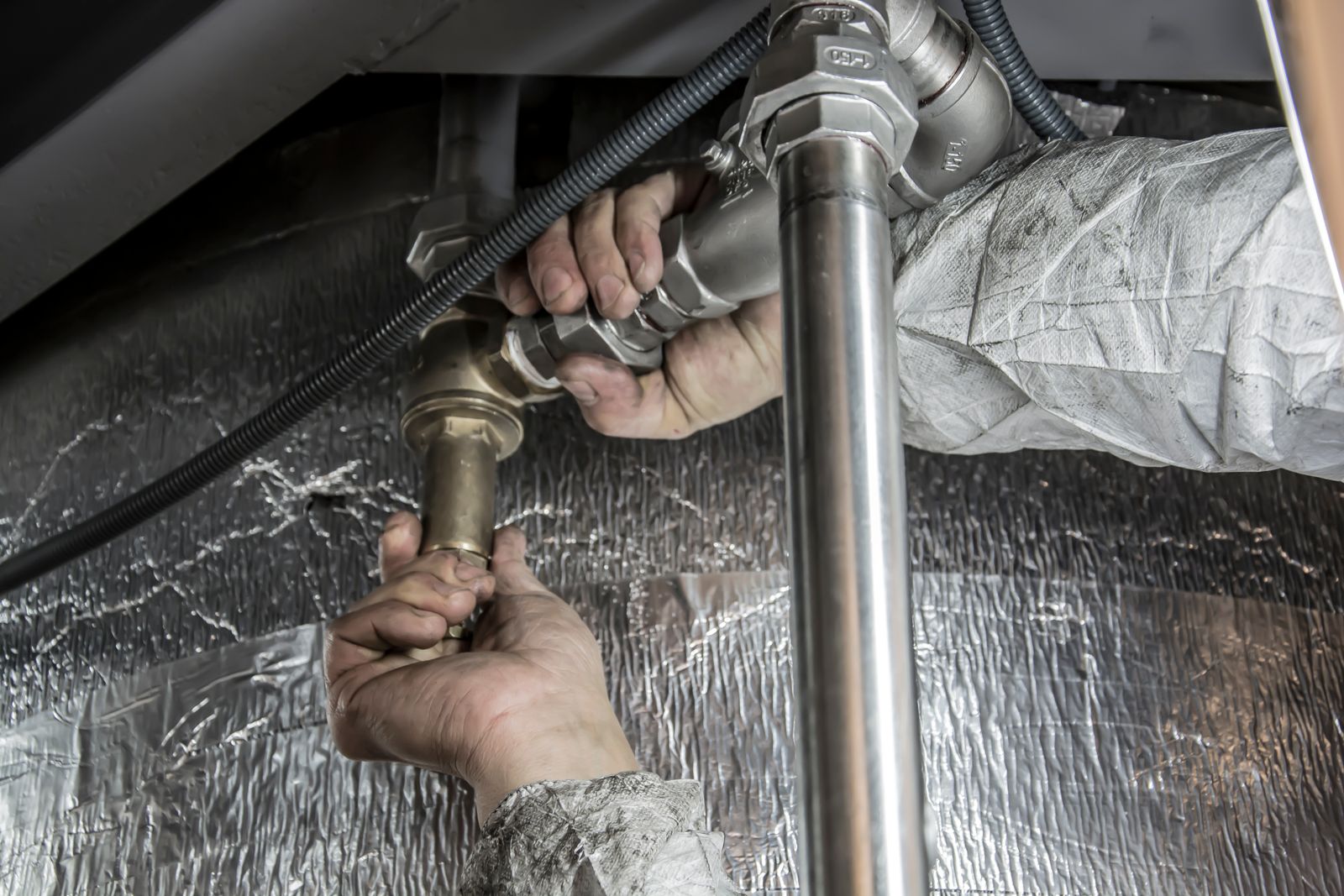
Reference image: licensed trade work at a sink connection.
An inspection cannot reveal every concealed issue. Scope, permits, registration, insurance and licensed trade requirements vary from project to project, so they are confirmed for your kitchen rather than assumed.
The aim of the assessment is a written quotation that reflects what can be seen, with any uncertain areas named plainly.
or call 0413 142 055