
STAGES ON THIS PAGE
Reference images are illustrative stock photographs. They do not show Ivan’s work.
Home / Kitchen Renovations / Stages and Reference Images
Projects · Stages and reference images
A kitchen renovation rarely starts from an empty room. It starts with what is already there: cabinets, benchtops, a splashback, flooring and services. This page uses labelled reference images and plain descriptions to show what a KEEP, REUSE, REPAIR or REPLACE decision looks like in practice. Ivan Bodnar is an independent home renovation specialist with approximately 15 years’ hands-on residential renovation experience. In your Bentleigh kitchen, he makes these calls during a free on-site assessment, and a free written quotation follows.
or call 0413 142 055
Approx. 15 years hands-on · Free assessment · Written quotation after inspection
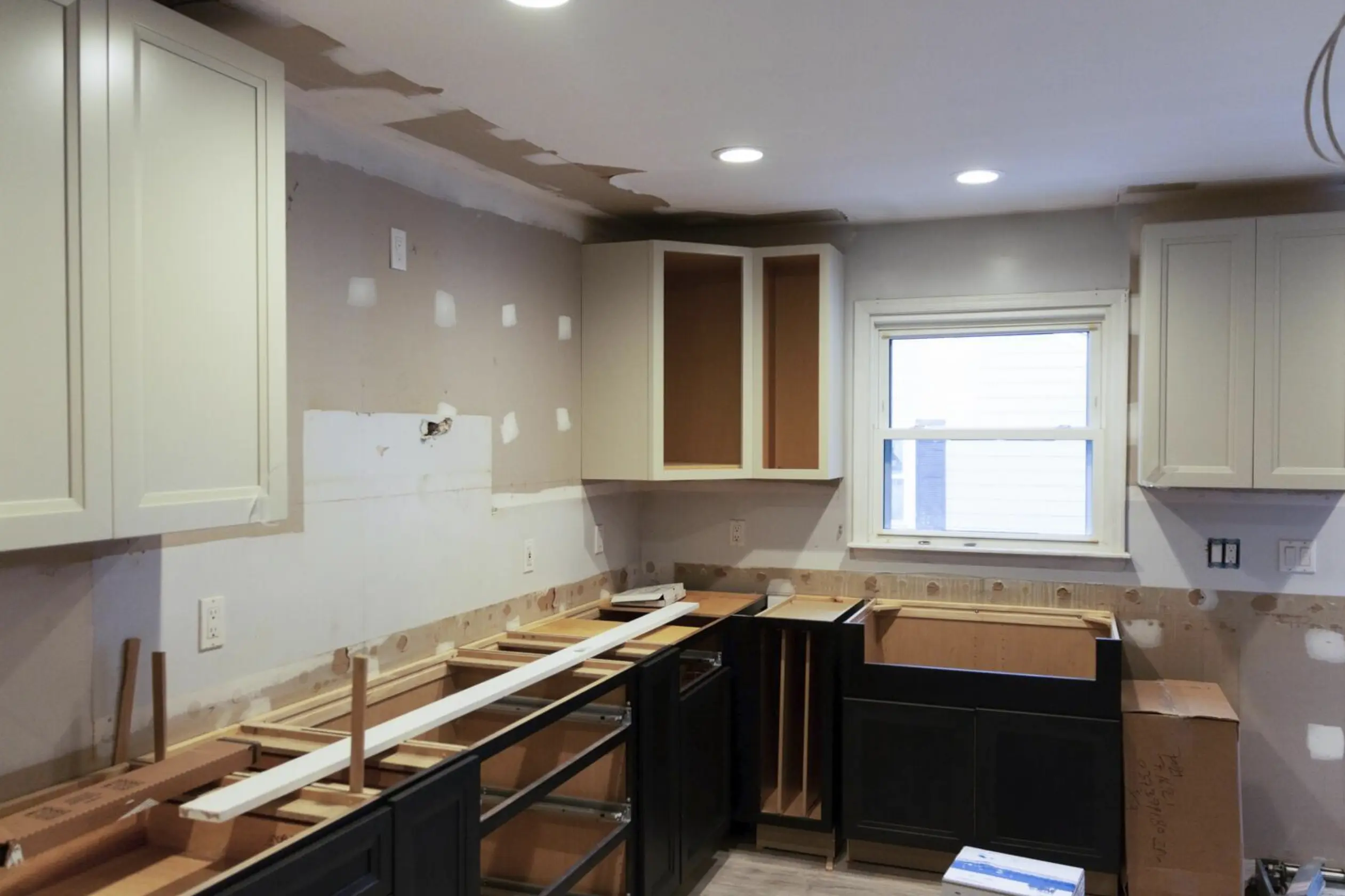
02
Each element in an existing kitchen gets one of these tags after inspection. The tag describes its condition and what work it needs. It says nothing about cost. A single kitchen often has all four.
Keep
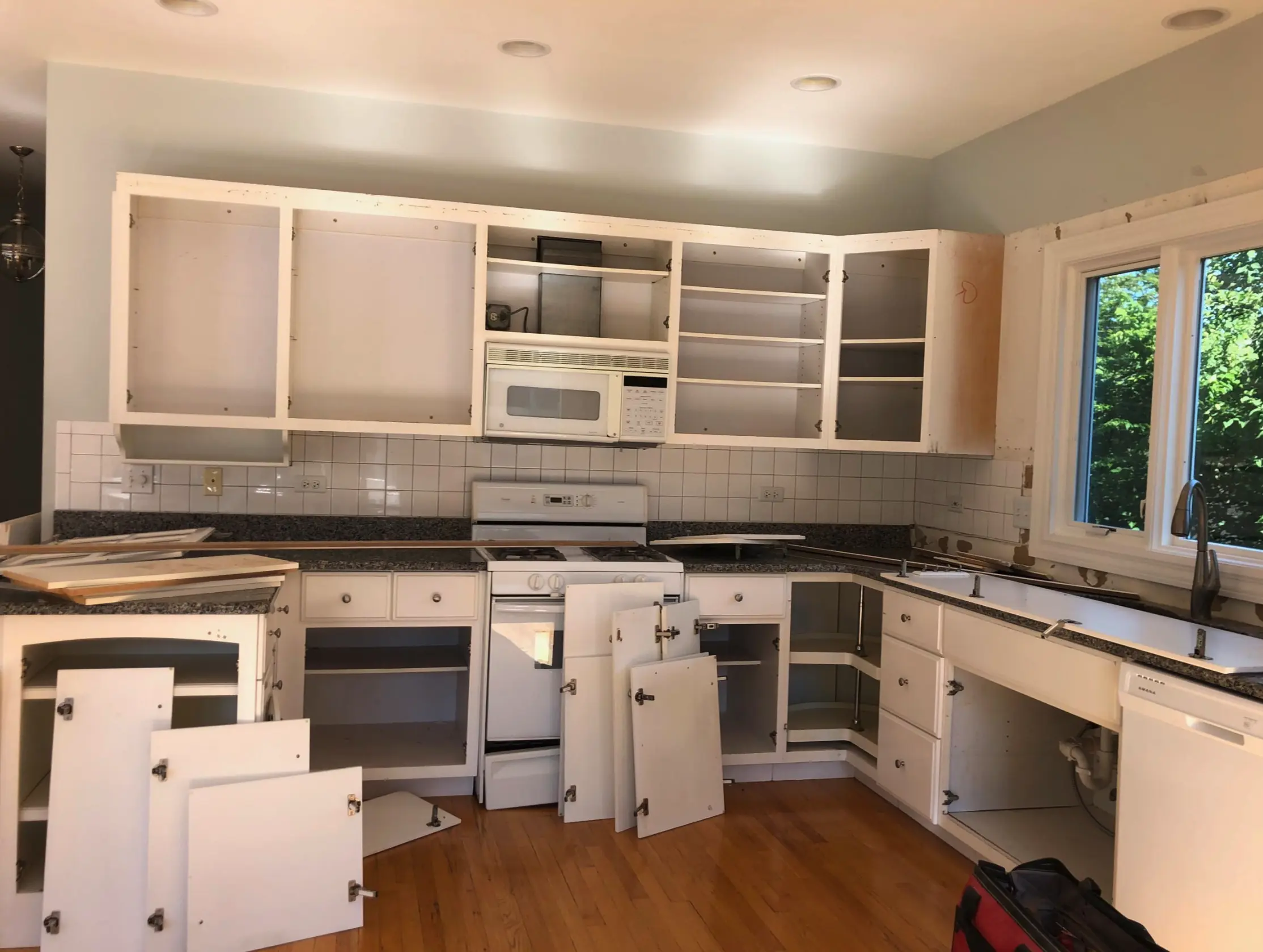
Elements that work and are in good condition stay where they are. That could be a layout that suits how you cook, carcasses that are square and dry, or flooring that sits well at the kickboard line. Keeping something is often the most practical decision in the room.
Reference image, not Ivan’s work: cabinet hardware and a drawer front in sound condition.
Reuse
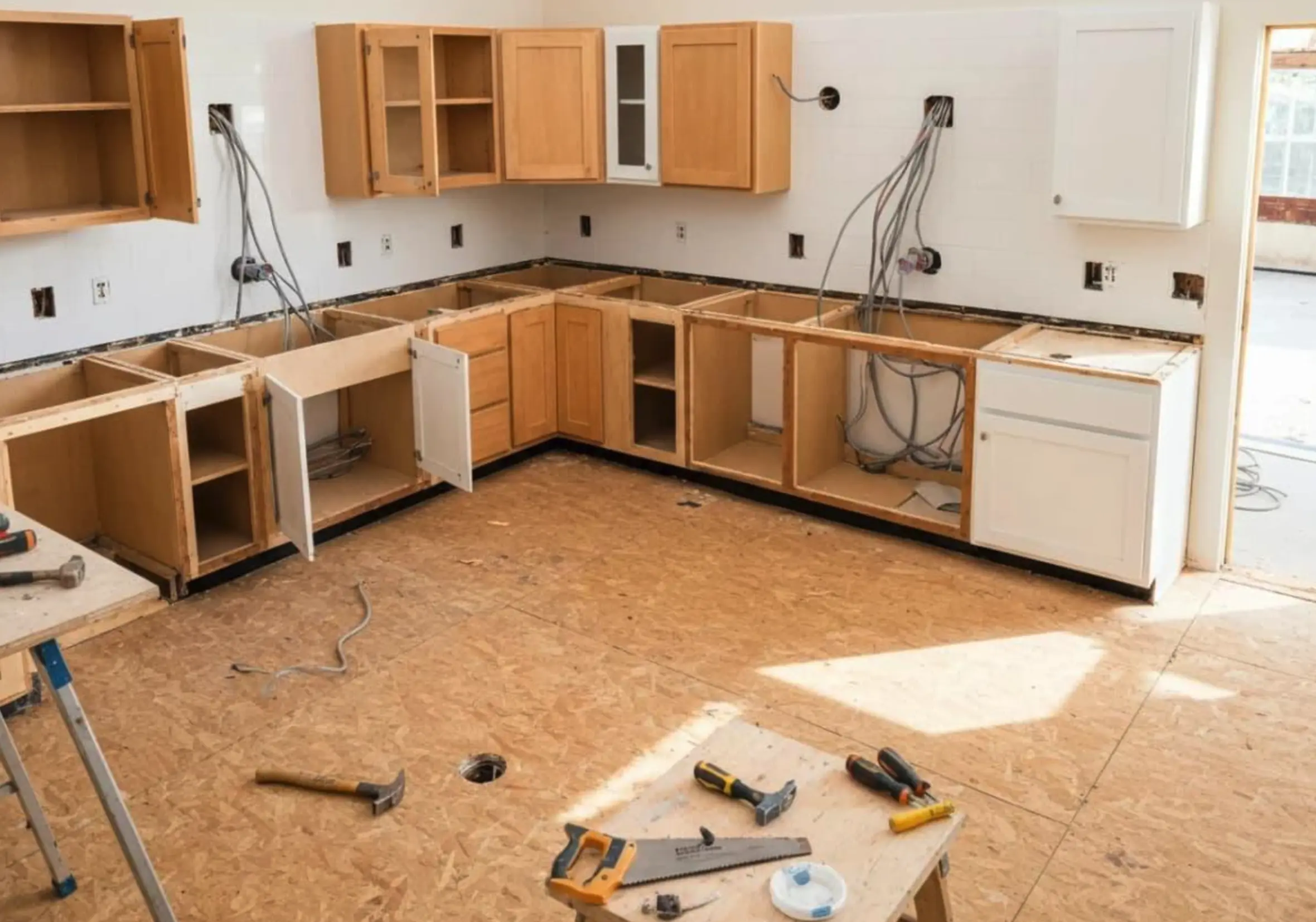
Cabinet carcasses with the doors off, shelving or fittings that can go back in after other work. Whether something can be reused depends on what sits behind the visible finish: moisture, fixings and alignment. See what to keep or replace.
Reference image, not Ivan’s work: older dark-wood joinery that would be checked before any decision to reuse it.
Repair
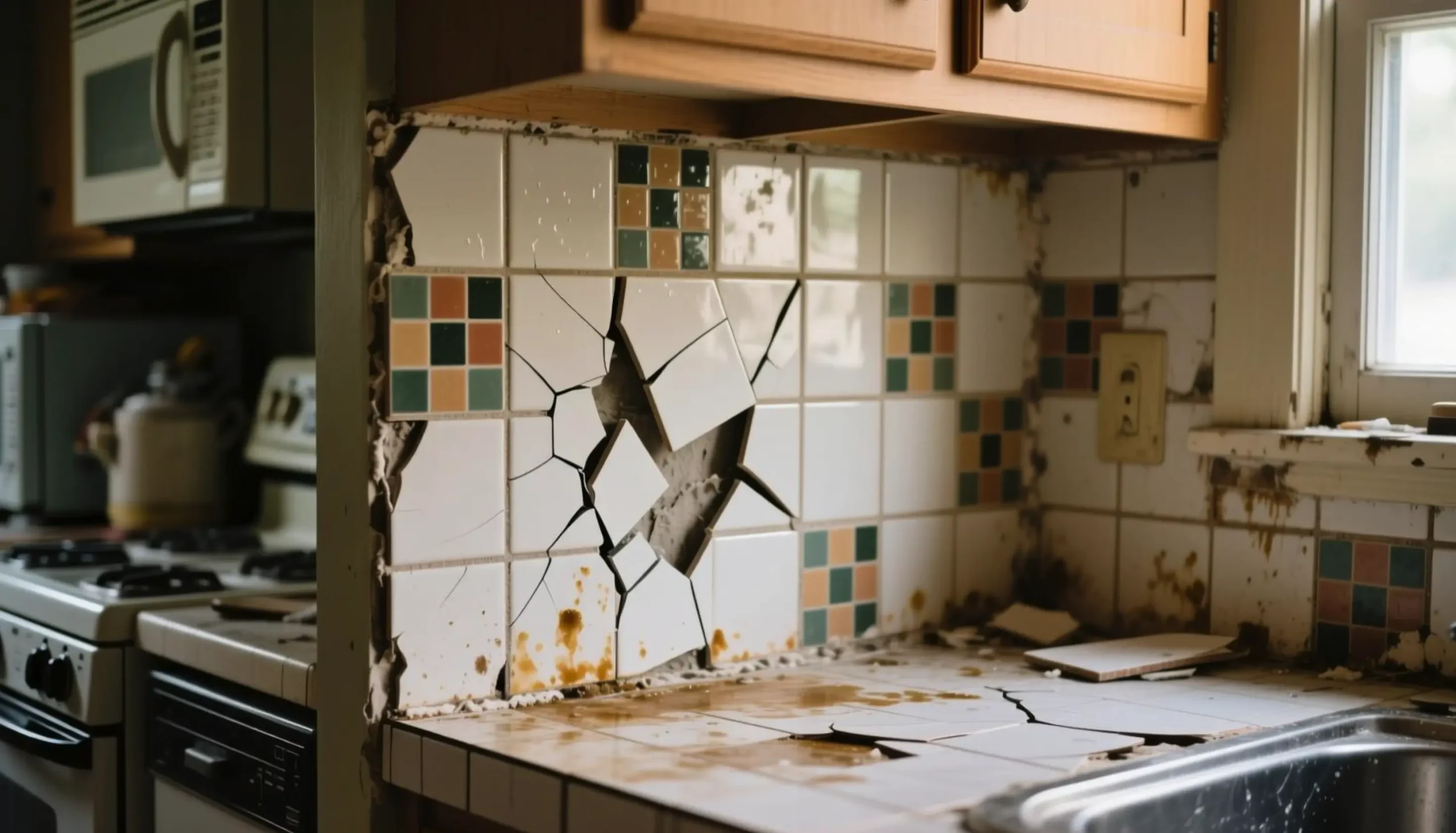
A chipped benchtop edge, a swollen panel, or a section of wall behind an old splashback. Surface preparation comes first, so new finishes go onto something sound. See why preparation comes before finishes.
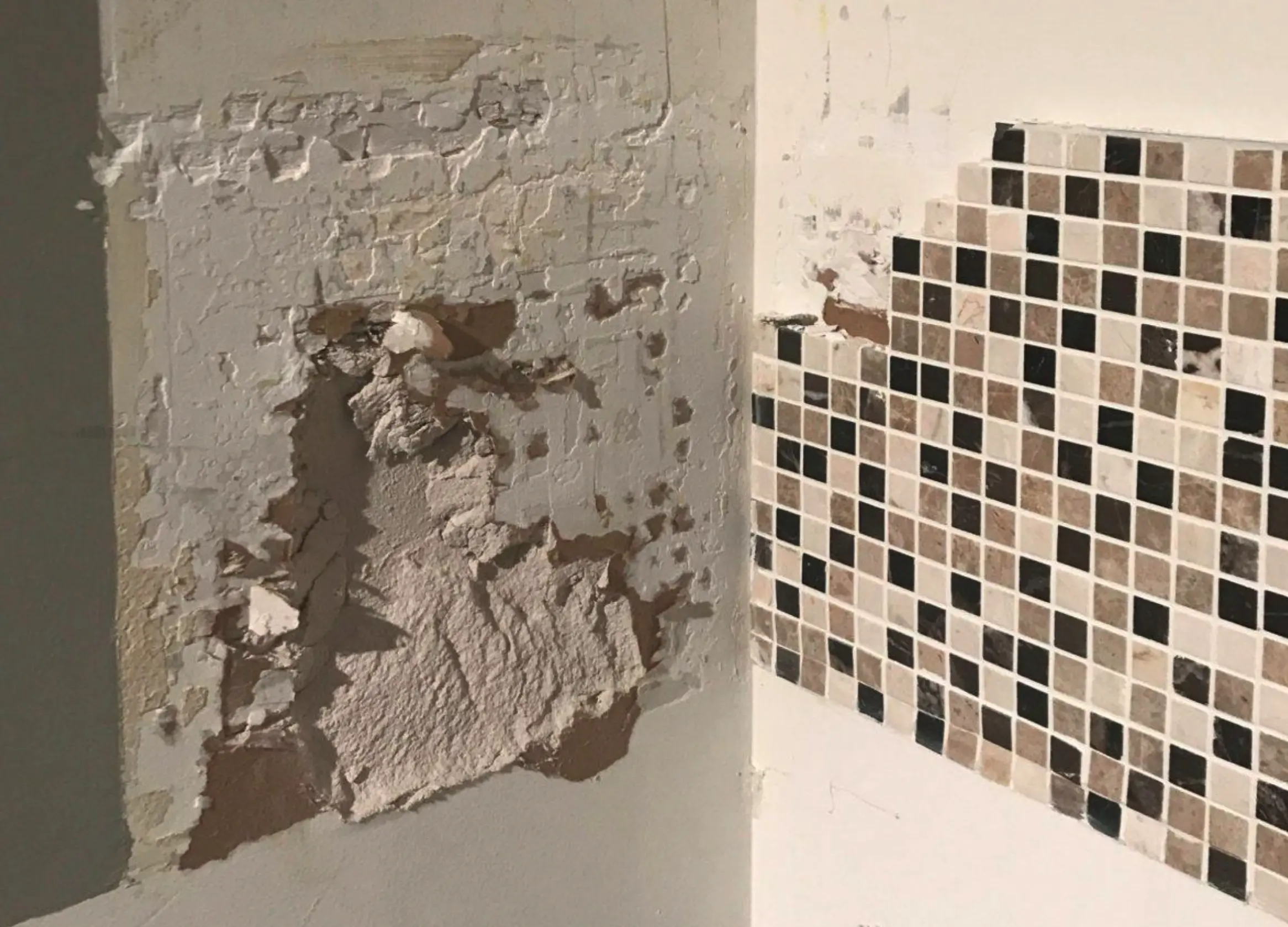
Reference image, not Ivan’s work: wall surface repair before new finishes go on.
Replace
Surfaces past repair, joinery that no longer suits the layout, or a dated splashback. Each replacement and the suitable materials for it are listed in the written quotation after the assessment.
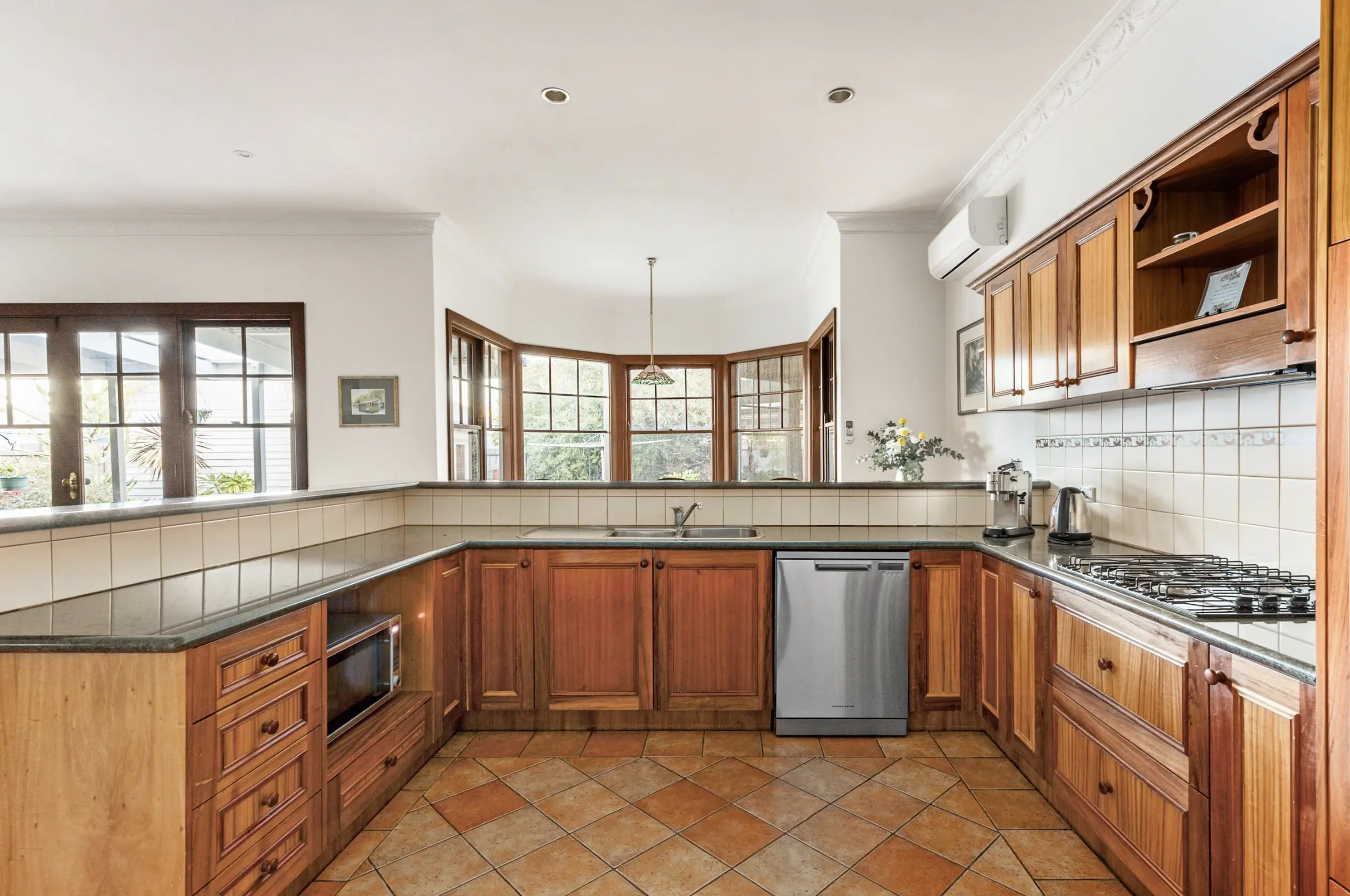
Reference image, not Ivan’s work: a finished kitchen, showing what replacement joinery and surfaces can look like.
03 · Before tags
A kitchen like the one in this image has plenty of cabinetry, a double sink and dated finishes. The useful questions are about condition, not style. Are the carcasses dry and level? Does the layout still work for the household? Where do the water and power run?
Replacing visible finishes before checking moisture, substrate suitability, service access and underlying damage can cause avoidable rework. That is why the tags come after the on-site assessment, not before.
An inspection cannot reveal every concealed issue. Some things only show up once cabinets come off the wall. See what may be found behind kitchen cabinets.
Licensed trade
Exposed wiring, sink connections and moved services all carry the LICENSED TRADE tag. Appropriately authorised specialists carry out licensed plumbing and electrical work, and appropriately licensed practitioners handle other regulated components.
Ivan is an independent sole trader and does not personally claim unverified trade licences or builder registration. Scope, permits, registration, insurance and licensed trade requirements vary from project to project, so they are confirmed for each kitchen. More detail is on plumbing, electrical and licensed trades.
05
These pages explain each stage in more depth.
01 Kitchen Renovations in Bentleigh
Keep / Reuse Layout, Cabinetry and Suitable Materials: What to Keep or Replace
Repair Why Surface Preparation Comes Before New Finishes
Concealed What May Be Found Behind Kitchen Cabinets
05 Tiling and Kitchen Splashbacks
Questions Kitchen Renovation Questions
Guides Kitchen Renovation Guides
Want the tags applied to your own kitchen? Request a kitchen renovation quote and Ivan will discuss an on-site assessment of your Bentleigh home.